
Ann Arbor has one of the oldest and most varied housing stocks in southeast Michigan, and almost all of it loses heat the same way: straight up through the attic. Between the balloon-framed houses on the Old West Side, the 1920s bungalows in Water Hill, the post-war ranches out Packard and Washtenaw, and the 1990s subdivisions past US-23, we spend most of our time in Washtenaw County doing exactly two things — sealing the ceiling plane and getting real R-value back on top of it.
Why Ann Arbor Attics Underperform
A 100-year-old house in the Old West Side was framed before anyone thought about air barriers. The wall cavities run straight from the basement to the attic, the plaster ceilings are penetrated by a century of wiring and light fixtures, and the original knob-and-tube chases were never sealed. Add a cold, snowy Washtenaw County winter and you get a chimney effect: warm air escapes at the top, cold air is pulled in at the bottom, and the furnace never stops.
The newer stock has its own version of the problem. Houses built north and east of town in the 1990s and 2000s have complex rooflines, cathedral great rooms, bonus rooms over the garage and HVAC equipment sitting in a vented attic. Those attics were insulated to code at the time, but the air sealing was minimal and the ducts leak into unconditioned space. Ice dams along the north-facing eaves after a wet February snow are the visible symptom.
- Balloon framing and open chases in pre-1940 homes near downtown, Kerrytown and Burns Park
- Knee walls and dormers in the 1½-story bungalows through Water Hill and the Old Fourth Ward
- Settled and displaced blown-in in ranches along Packard, Platt and Washtenaw Ave
- Ductwork in vented attics in subdivisions off Plymouth Rd, Green Rd and Dhu Varren
- Uninsulated crawl spaces in the older homes out toward Scio Township and Dexter
The Attic Insulation Process, Step by Step
People searching for the attic insulation process in Ann Arbor usually want to know what actually happens in their house. Here is the order we work in:
- Inspect and measure. We get into the attic, measure existing depth, check for moisture staining, verify the soffit vents are not stuffed with insulation, and look for bath fans dumping into the attic instead of outside.
- Protect the path. Floor runners and plastic from the door to the attic access. Ann Arbor houses tend to have narrow stairs and hardwood we do not want to mark up.
- Air seal the ceiling plane. Two-part foam on top plates, wire and pipe penetrations, dropped soffits, chimney and flue chases (with proper fire-rated detailing), and the attic hatch itself.
- Baffle and vent. Install baffles at the eaves so the soffit intake stays open once the new insulation goes in.
- Insulate. Either blown-in fiberglass to a target depth over the sealed ceiling, or closed-cell spray foam at the roof deck when the attic contains mechanicals or cannot be vented.
- Clean and document. Depth markers left in place, photos of the finished work, and the paperwork you need for the 25C federal credit.
Insulation Services We Install in Washtenaw County
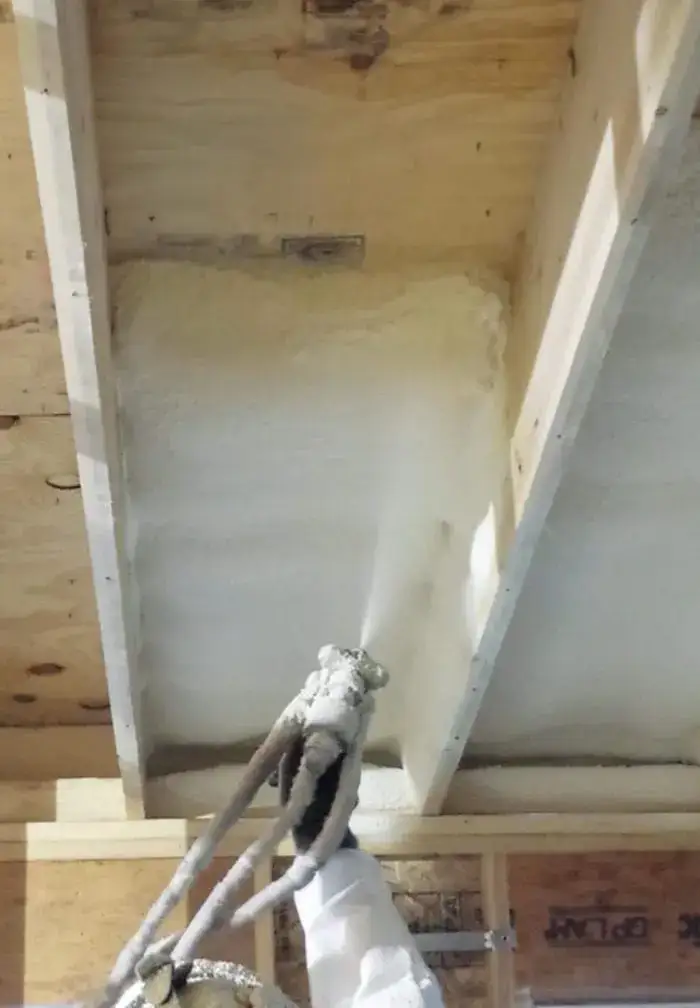
Attic Spray Foam
Roof-deck foam for attics with ductwork, cathedral ceilings or dormers.
Attic Insulation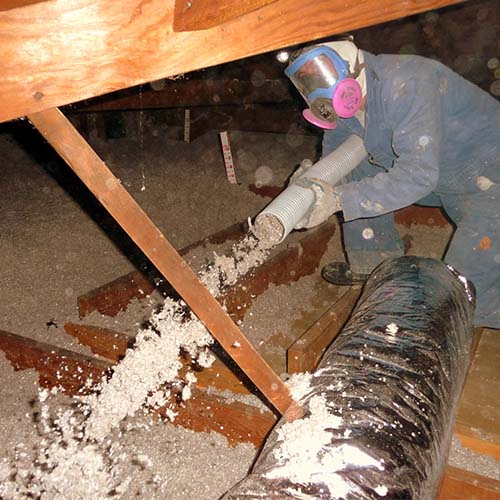
Blown-In Insulation
Air seal first, then blow to R-49 over a properly vented attic floor.
Blown-In Insulation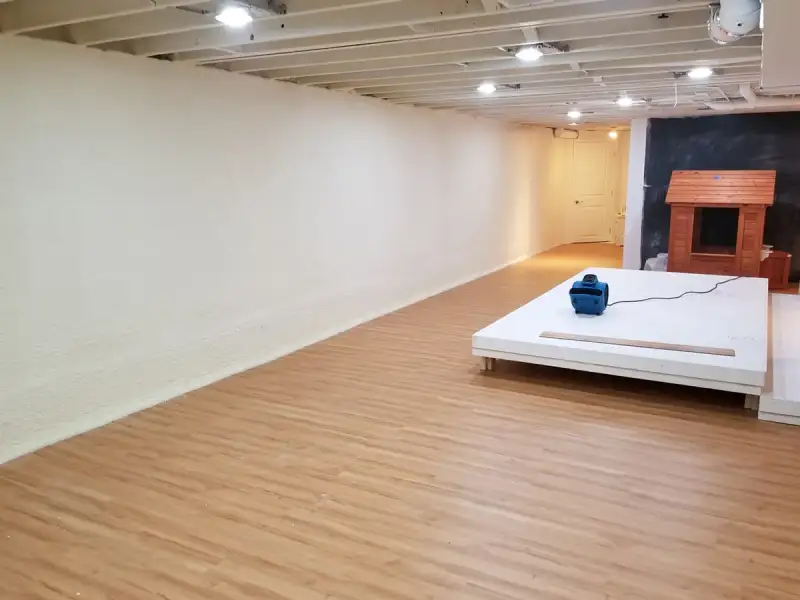
Crawl Space & Basement
Rim joists, crawl walls and cold floors over unconditioned space.
Basements & CrawlsBeyond Ann Arbor: Saline, Dexter, Chelsea & Ypsilanti
The same crew that works inside the city covers the rest of Washtenaw County. Saline in particular sends us a steady stream of attic insulation calls — enough that it has its own page — the older homes along Michigan Ave and the newer subdivisions south of town have the same split we see in Ann Arbor, historic stock versus 1990s builds. We also work Dexter, Chelsea, Pittsfield Township, Ypsilanti and Whitmore Lake. Farther east, see our pages for Livonia and Farmington Hills, or browse every city on our Michigan service area list.
Ann Arbor Attic Insulation Questions
How does the attic insulation process work in an Ann Arbor home?
We start in the attic, not on the roof. First we inspect from inside and measure what is up there now — usually 6–9 inches of settled fiberglass batt or old blown-in. Then we air seal: top plates, wire and plumbing penetrations, the dropped soffits over kitchen cabinets, the chases around chimneys, and the hatch. That air sealing step is what actually stops the stack effect. Only then do we insulate, either with closed-cell spray foam at the roof deck or with blown-in fiberglass over the sealed ceiling plane. Most Ann Arbor attics are a one-day job and we protect the stairs and floors on the way in and out.
Do you do blown-in attic insulation in Ann Arbor, or only spray foam?
Both. A lot of Ann Arbor houses are best served by air sealing the ceiling plane with foam and then topping it with blown-in insulation to R-49 or better — it is the most cost-effective path in a vented attic with good soffit and ridge ventilation. Foam at the roof deck makes more sense when the attic holds ductwork or an air handler, or when there is a cathedral ceiling or finished bonus room with no way to vent it properly.
Can you insulate a house in the Old West Side or another Ann Arbor historic district?
Yes. Historic district rules in Ann Arbor govern what the outside of the house looks like — siding, windows, trim, roof profile. Everything we do is on the inside: attic floors, roof decks, rim joists, basement walls and crawl spaces. Nothing we install changes the exterior appearance, so there is normally no historic district review involved. We work in Old West Side, Water Hill, Burns Park and Kerrytown homes regularly.
What do attic insulation installers in Ann Arbor charge, and is there a tax credit?
Every house is different, so we price after we look at it — attic square footage, current insulation depth, how much air sealing the ceiling plane needs, and whether we are working around knee walls or dormers. The estimate is free and itemized. Qualifying insulation and air sealing work is eligible for the federal 25C credit, worth 30% of materials up to $1,200 per year, and we give you the paperwork you need for it.
Do you also insulate crawl spaces and basements around Ann Arbor?
Yes, and in this area it is often the bigger win. Homes on the west side of town and out toward Scio and Dexter frequently sit on a crawl space or a half-basement with an uninsulated rim joist. Closed-cell foam on the rim joist and crawl walls stops ground moisture and cold floors in one pass. See our basement and crawl space insulation page for how we detail it.