
Troy grew up in a hurry. Between about 1955 and 1975 the farmland between Big Beaver and Square Lake turned into square mile after square mile of brick ranches, tri-levels and colonials — good, solid houses built to the energy standards of their day, which is to say almost none. Fifty years later the single most useful thing an insulation contractor can do in Troy is not add more insulation. It is stop the air.
Air Sealing First, Insulation Second
Open the hatch on a typical Troy attic and you will find eight or ten inches of blown-in that looks fine. Move it aside and you find the truth: the top plates of every interior wall are open to the attic, the bath fan vents into the insulation, there is a two-foot-square hole around the furnace flue, and the drop soffit above the kitchen cabinets is a wide-open shaft down to the living space. Warm air pours out of those openings all winter and drags cold air in through the basement to replace it.
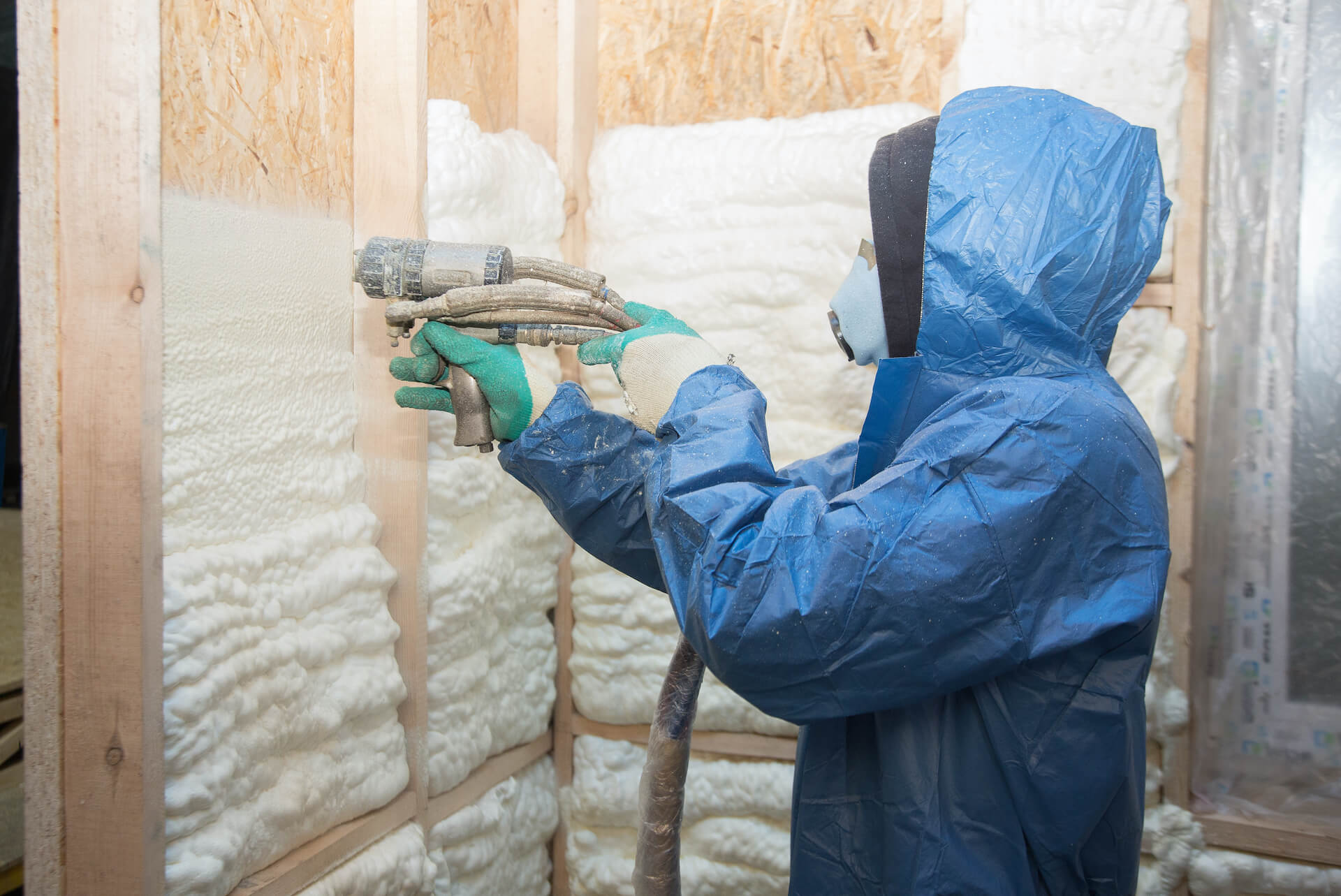
Insulation slows conduction. It does very little about air movement. That is why we do the sealing pass first on every Troy job — two-part foam and fire-rated detailing at every penetration — and only then bring the R-value up. Customers notice the draft difference immediately, usually before they see the utility bill.
What Troy Houses Need, by Era
- 1950s–60s brick ranches (south Troy, off John R, Rochester Rd and Livernois): shallow attics with settled insulation, wide-open top plates, and cold band joists over the basement.
- 1960s–70s quad-levels and tri-levels: the split-level floor over the garage or crawl is almost always the coldest room in the house.
- 1980s–90s colonials (north of Long Lake, off Adams and Crooks): two-story foyers, bonus rooms over garages, and attic ductwork sweating in summer.
- 2000s builds: better sealed at the shell, but the attic hatch, can lights and duct boots are still leak points worth an afternoon.
Insulation Work We Do in Troy
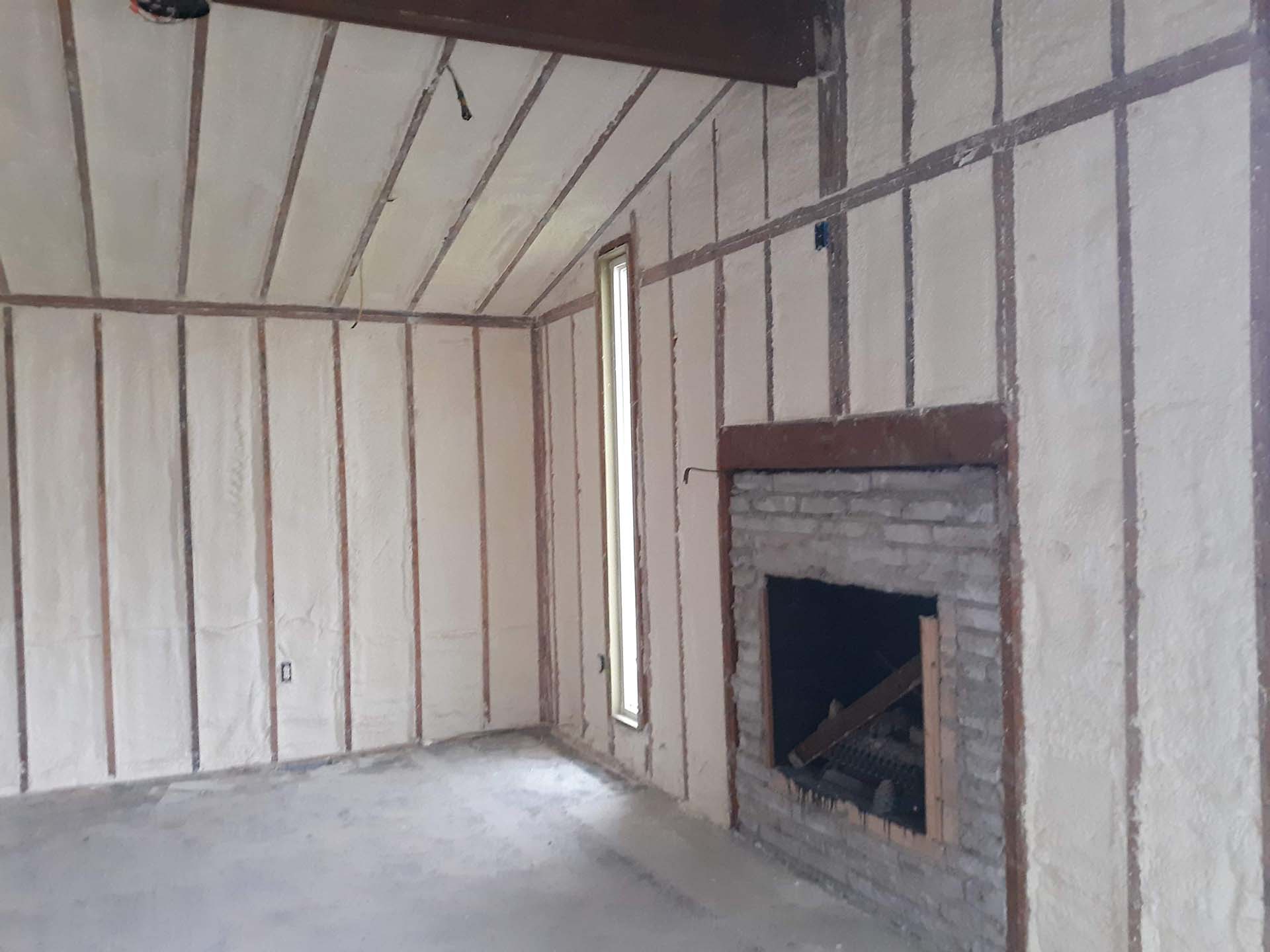
Attic air sealing and insulation, blown-in insulation top-ups, closed-cell foam on rim joists and band joists, garage ceilings under bedrooms, knee walls, cathedral ceilings, and additions or remodels where the cavities are open. On the commercial side we insulate and re-roof low-slope buildings in the Big Beaver and Stephenson Highway corridors with spray-applied polyurethane roofing.
Serving Troy and the Neighboring Communities
We cover all of Troy from Maple to South Boulevard and Dequindre to Adams, plus Rochester Hills, Clawson, Royal Oak, Birmingham, Madison Heights and Sterling Heights across the county line. The full list is on our service areas page.
Troy Insulation Questions
What is air sealing, and why does Troy keep coming up as a place that needs it?
Air sealing means closing the unintended gaps that let conditioned air escape — top plates, recessed can lights, plumbing and wire penetrations, the attic hatch, duct boots, and the band joist around the basement. Troy is full of 1950s through 1970s brick ranches and colonials that were framed fast during the township's boom years. They have insulation, but almost none of them were ever air sealed, so the insulation is working against a constant draft. Sealing typically makes a bigger comfort difference than adding another six inches of fluff.
Do you insulate the wall cavities of a brick ranch in Troy?
We can, using dense-pack blown-in through the interior or by foaming from the attic where the top of the cavity is open. What we do not do is drill through the brick veneer — there is a drainage cavity behind that brick that needs to stay clear. For most Troy ranches the better spend is attic air sealing plus rim joist foam, and we will say so at the estimate even though it is the smaller job.
How long does an attic insulation job take on a Troy colonial?
One day for the typical 1,800–2,600 sq ft house. Air sealing takes the morning, baffles and insulation take the afternoon. Larger homes north of Long Lake with multiple attic sections can run into a second day. We work out of the garage or driveway and keep the equipment outside.
Do you work in Troy office and light industrial buildings, not just houses?
Yes. Troy has a large office and flex-industrial base along Big Beaver, Crooks and Stephenson Highway, and most of those buildings have low-slope roofs. We do SPF roof restoration and roof insulation on commercial buildings throughout the city.